

Second-generation methanol known as "renewable" methanol is produced mostly from biomass and industrial waste. It is a crucial component in the manufacturing of biodiesel, which can then be used as a chemical feedstock or combined with car fuel. Carbon dioxide is used instead of carbon monoxide in the manufacturing of renewable methanol, which is comparable to that of conventional methanol. Due to the high hydrogen to carbon ratio, it has a high octane rating and reduces greenhouse gas emissions. Some of the most favoured feedstocks for the manufacturing of methanol include natural gas, coal, and biomass. Renewable or bio-methanol is the name given to methanol produced using biomass as a feedstock. Over the future ten years, it is projected that demand for renewable methanol will rise dramatically due to the growing trend of sustainability and the rapid expansion of recycled and bio-based chemicals.
Because it is used in the chemical sector to make acetic acid, formaldehyde, and plastics, there is expected to be an increase in demand for renewable methanol during the projection period. In order to produce polyethylene and polypropylene, much more biomethanol is now being used. Additionally, the main applications of biomethanol are as fuel for vehicles, ships, industrial boilers, and kitchen appliances. The fuel can be used directly, in the form of methyl tert-butyl ether (MTBE) and dimethyl ether (DME), or it can be combined with petrol to create biodiesel. One of the main feedstocks used to manufacture renewable methanol is municipal solid trash. Daily domestic trash is included in municipal wastes, which are gathered and processed to create the finished good. One of the biggest producers of biomethanol from municipal solid waste in Canada is Enerkem. When compared to alternative processes, the waste to methanol production method has a high return on investment and is more affordable.
Report Coverage
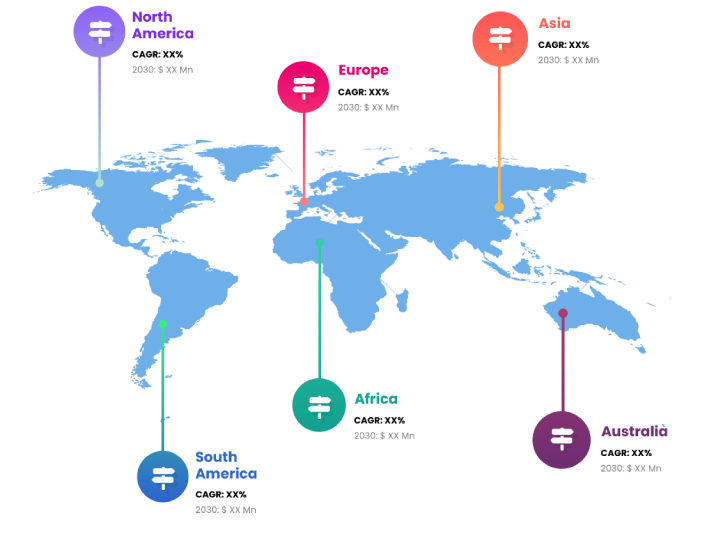
Global Renewable Methanol research report categorizes the market for global based on various segments and regions, forecasts revenue growth, and analyzes trends in each submarket. Global Renewable Methanol report analyses the key growth drivers, opportunities, and challenges influencing the global market. Recent market developments and Renewable Methanol competitive strategies such as expansion, product launch and development, partnership, merger, and acquisition have been included to draw the competitive landscape in the market. The report strategically identifies and profiles the key Renewable Methanol market players and analyses their core competencies in each global market sub-segments.
| REPORT ATTRIBUTES | DETAILS |
|---|---|
| Study Period | 2017-2030 |
| Base Year | 2020 |
| Forecast Period | 2022-2030 |
| Historical Period | 2017-2019 |
| Unit | Value (USD Billion) |
| Key Companies Profiled | NORDIC GREEN, ENERKEM, FRAUNHOFER, INNOGY, BASF SE, OCI N.V., SODRA, SERENERGY A/S, CARBON RECYCLING INTERNATIONAL (CRI), ADVANCED CHEMICAL TECHNOLOGIES |
| Segments Covered | • By Product |
| Customization Scope | Free report customization (equivalent to up to 3 analyst working days) with purchase. Addition or alteration to country, regional & segment scope |
Key Points Covered in the Report
- Market Revenue of Renewable Methanol Market from 2021 to 2030.
- Market Forecast for Renewable Methanol Market from 2021 to 2030.
- Regional Market Share and Revenue from 2021 to 2030.
- Country Market share within region from 2021 to 2030.
- Key Type and Application Revenue and forecast.
- Company Market Share Analysis, Renewable Methanol competitive scenario, ranking, and detailed company
profiles. - Market driver, restraints, and detailed COVID-19 impact on Renewable Methanol
Market
Competitive Environment:
The research provides an accurate study of the major organisations and companies operating in the global Renewable Methanol market, along with a comparative evaluation based on their product portfolios, corporate summaries, geographic reach, business plans, Renewable Methanol market shares in specific segments, and SWOT analyses. A detailed analysis of the firms' recent news and developments, such as product development, inventions, joint ventures, partnerships, mergers and acquisitions, strategic alliances, and other activities, is also included in the study. This makes it possible to assess the level of market competition as a whole.
List of Major Market Participants
NORDIC GREEN, ENERKEM, FRAUNHOFER, INNOGY, BASF SE, OCI N.V., SODRA, SERENERGY A/S, CARBON RECYCLING INTERNATIONAL (CRI), ADVANCED CHEMICAL TECHNOLOGIES
Primary Target Market
- Market Players of Renewable Methanol
- Investors
- End-users
- Government Authorities
- Consulting And Research Firm
- Venture capitalists
- Third-party knowledge providers
- Value-Added Resellers (VARs)
Market Segment:
This study forecasts global, regional, and country revenue from 2019 to 2030. Spherical Insights has segmented the global Renewable Methanol market based on the below-mentioned segments:
Global Renewable Methanol Market, By Feedstock
- Agricultural Waste
- Forestry Residues
- Municipal Solid Waste
- Co2 Emissions
Global Renewable Methanol market, By Application
- Formaldehyde
- Dimethyl Ether & Methyl Tert-Butyl Ether (MTBE)
- Gasoline
- Solvents
Global Renewable Methanol Market, By End User
- Chemicals
- Transportation
- Power Generation
Global Renewable Methanol market, Regional Analysis
- Europe: Germany, Uk, France, Italy, Spain, Russia, Rest of Europe
- The Asia Pacific: China,Japan,India,South Korea,Australia,Rest of Asia Pacific
- South America: Brazil, Argentina, Rest of South America
- Middle East & Africa: UAE, Saudi Arabia, Qatar, South Africa, Rest of Middle East & Africa
You will get in-depth and extensive renewable methanol market market research and competitor analysis for your business to help you develop more profound insights into the renewable methanol market Market.
Through INFINITIVE Data Expert is a professional Market Research services, I will identify the renewable methanol market market size, demand & opportunities, growth rate, and target audience with a comprehensive analysis of your competitors.